
The Role of Rare Metals in Portfolio Diversification


Understanding Rare Metals
In the world of investing, diversification is a key strategy to minimize risk and maximize returns. One often overlooked asset class that can contribute to portfolio diversification is rare metals. These include metals such as platinum, palladium, and rhodium, among others. Unlike more traditional investments, rare metals often have unique market drivers, making them an intriguing option for investors.
Rare metals are defined by their scarcity and unique physical properties. They are essential components in various industries, including electronics, automotive, and jewelry. This demand across multiple sectors can provide a buffer against market volatility, offering investors a potential hedge against inflation and economic downturns.
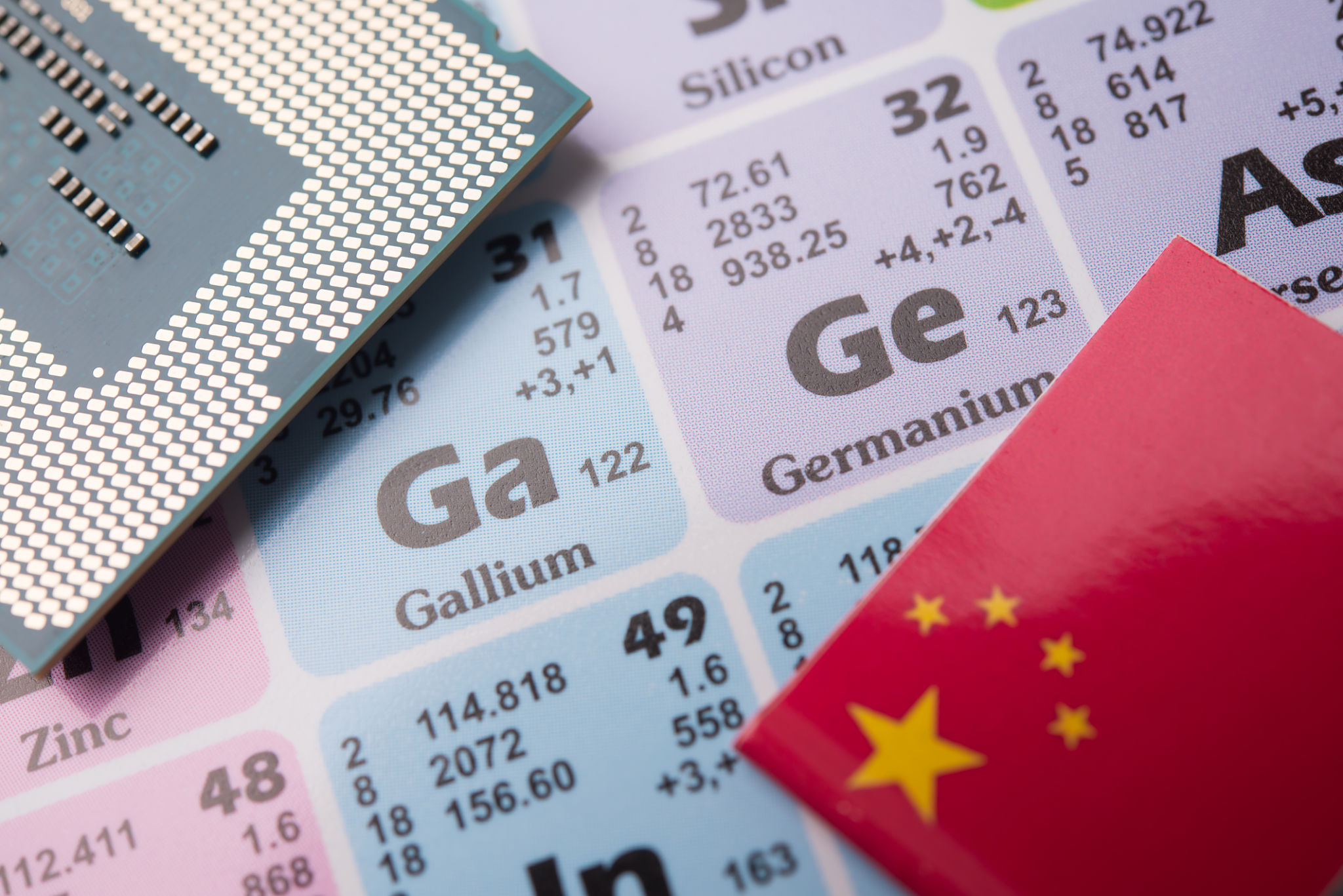
The Benefits of Investing in Rare Metals
One of the primary benefits of including rare metals in a diversified portfolio is their potential for high returns. Historically, these metals have demonstrated significant price increases, particularly during times of economic uncertainty. This is largely due to their limited supply and high demand in critical industries.
Furthermore, rare metals often have a low correlation with traditional asset classes like stocks and bonds. This means that their price movements are generally independent of the broader market, providing an additional layer of protection against market fluctuations.

Industrial Demand and Technological Advancements
The growing demand for rare metals is largely driven by industrial applications and technological advancements. For instance, palladium and platinum are crucial in the production of catalytic converters, which reduce emissions in vehicles. As environmental regulations become more stringent, the demand for these metals is expected to rise.
Similarly, rare metals play a pivotal role in the development of clean energy technologies. Solar panels, wind turbines, and electric vehicles all require specific rare metals, ensuring their continued demand as the world transitions to sustainable energy solutions.

Challenges and Considerations
Investing in rare metals is not without its challenges. One significant consideration is the volatility of prices, which can be influenced by geopolitical factors, regulatory changes, and shifts in industrial demand. Additionally, the market for rare metals can be less liquid than more traditional investments, potentially affecting the ease of buying and selling.
Investors should also be aware of the ethical and environmental implications of rare metal mining. The extraction process can have significant environmental impacts and, in some cases, may involve unethical labor practices. Conducting thorough research and choosing responsibly sourced options can mitigate these concerns.

How to Include Rare Metals in Your Portfolio
There are several ways to invest in rare metals. One option is to purchase physical metals, which can be stored securely and appreciated over time. However, storage and insurance costs should be considered. Alternatively, investors can explore exchange-traded funds (ETFs) or mutual funds that focus on rare metals, offering a more accessible and liquid investment option.
Another approach is investing in mining companies that specialize in rare metal extraction. This can provide exposure to the metals' potential upside while benefiting from the operational growth of the companies themselves.

Conclusion
Incorporating rare metals into a diversified investment portfolio can offer unique benefits, including potential high returns and a hedge against market volatility. However, it's essential to approach this asset class with a well-informed strategy, considering both the opportunities and challenges it presents. By doing so, investors can effectively leverage the role of rare metals in achieving a robust and resilient portfolio.